
Alabama weather doesn’t play fair with your roof. Between the sticky summer humidity, sudden hailstorms, and the beating heat that settles over cities like Birmingham, Mobile, and Huntsville, your roofing system takes a serious pounding every single year.
Choosing the right roof isn’t just about looks or budget. It’s about protecting your property against the exact conditions your building faces. And here’s the thing: what works for a family home in Huntsville may fail miserably on a warehouse in Mobile.
That’s why understanding the split between residential and commercial roofing matters so much. Let’s walk through the real differences and help you make a confident choice.
Key Differences Between Residential Roofing and Commercial Roofs
Both residential and commercial roofing systems share one common job: keeping water out. However, the ways in which they do it are significantly different.
Roofing Materials: What Residential and Commercial Roofs Use
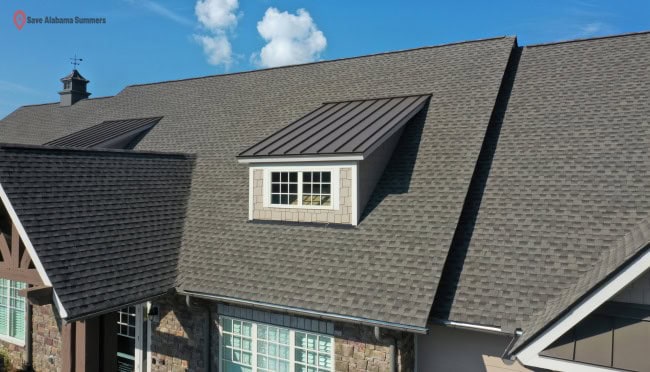
Residential roofing in Alabama most commonly relies on asphalt shingles as the primary roofing material. This tried-and-true roofing material is affordable, easy to repair, and performs well on sloped surfaces. The way residential roofs are built means materials are applied via overlap, layering shingles to shed water efficiently. On a residential roof near the Gulf Coast in Mobile, homeowners often upgrade to metal or architectural shingles for stronger wind resistance and longer-term roofing material performance.
Commercial roofing systems tell a different story. Industrial and large-scale commercial roofs require way more water protection than their residential counterparts, which is why flat and low-slope designs typically rely on single-ply membrane roofing material like TPO or EPDM. On a commercial roof, TPO reflects sunlight and resists heat — a smart choice for Alabama’s brutal summers. EPDM, a durable rubber membrane, stands up well to UV exposure and temperature swings.
Size and Design: How Residential Roofs and Commercial Roofs Differ
 Residential roofs are typically pitched, and that slope serves a greater purpose than simply directing rain and debris away from your home.The design of a residential roof also involves aesthetic considerations, since curb appeal matters to homeowners in a way it simply doesn’t for most industrial buildings. That natural runoff advantage is a real asset in storm-prone Alabama regions.
Commercial roofs tend to be flat or low-slope. These roofing systems are built to support HVAC units, solar panels, and regular foot traffic. However, their flat design means water can pool on the surface if drainage isn’t properly managed. Weight management becomes a real factor too, since equipment loads on a flat commercial roof add structural demands that pitched residential roofs simply don’t face. In the Alabama climate, where humidity runs high and storms roll in fast, poor drainage on a commercial roof invites rot and mold faster than most property owners expect.
Residential vs. Commercial Roof Installation Time
A typical residential roofing job wraps up in a day or two. The smaller size of a home, lighter materials, and tighter scope make these roofing services straightforward to deliver.
Commercial roofing projects run longer, often stretching across several days or weeks. Commercial roofs present unique challenges due to their sheer size, complex membrane welding, equipment coordination, and strict safety requirements. These factors all contribute to a significantly longer installation timeline compared to standard residential roofing projects. If you’re working with a roofing contractor on a large facility, plan for that timeline well ahead of storm season.
Roof Maintenance and Inspections: Residential vs. Commercial Requirements
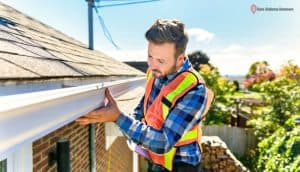 Routine roof maintenance looks very different depending on the type of building you own. For a residential roof, seasonal roof inspections and quick shingle repairs are often enough to stay ahead of problems. A commercial roof demands far more—regular membrane checks, seam inspections, and drainage clearing are all part of a consistent maintenance schedule. Skip those steps on a flat roof, and you’re looking at water damage, mold, and potentially a full roof replacement long before the system’s expected lifespan.
For facility managers weighing their commercial roofing options in Alabama, partnering with a trusted roofing contractor who specializes in Commercial roofing in Birmingham can protect your building, extend the life of your roofing system, and save you from costly downtime and premature roof replacement down the road.
Residential vs. Commercial Roofing in Alabama: Key Differences at a Glance
| Category | Residential Roofing | Commercial Roofing |
| Typical Materials | Asphalt shingles, metal, architectural shingles | TPO, EPDM, modified bitumen, built-up roofing |
| Average Lifespan | 15–30 years (shingles), up to 50 years (metal) | 20–30 years (TPO/EPDM), 15–20 years (BUR) |
| Cost Structure | Lower upfront, priced per square | Higher upfront, priced per square foot with labor scale |
| Maintenance Frequency | Twice yearly + after major storms | Quarterly + after every severe weather event |
Roof Maintenance and Inspections for the Alabama Climate
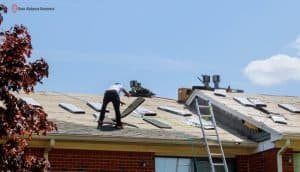 The Alabama climate demands a proactive approach to roof maintenance. Whether you own a residential roof or manage a commercial property, staying on top of regular roof inspections is the best way to keep your roofing system ready for whatever the sky throws at it:
- Inspect your residential roof or commercial roof after every major storm. Hail and high winds from spring thunderstorms can lift shingles and puncture membranes.
- Clear gutters and drains regularly. In the Alabama climate, humidity plus clogged drainage leads to standing water and mold.
- Check for soft spots or sagging during roof inspections, especially on flat commercial roofs where water pools.
- Trim overhanging branches. Falling limbs during storms are a common cause of roof damage in wooded areas near Huntsville.
- Look for signs of UV wear as part of routine roof maintenance. The intense Alabama sun dries out shingles and cracks older membranes.
- Schedule professional roofing services before hurricane season, particularly for residential roofs and commercial properties near Mobile and the Gulf Coast.
- Seal and reseam flat roofs as needed. Small gaps let humidity creep in and spread quietly — a serious concern in the Alabama climate.
Staying ahead of these roof maintenance tasks protects your investment, extends the working life of your roofing system, and keeps both residential and commercial roofs performing at their best in the Alabama climate.
Frequently Asked Questions
How long should a roof last in Alabama’s climate?
It depends on the roofing material. Asphalt shingles, one of the most common residential roofing materials, usually last 15 to 30 years. Metal roofing can push past 50. On the commercial side, TPO and EPDM roofing materials typically keep a commercial roof performing well for 20 to 30 years with steady upkeep. The Alabama climate, with its intense heat and persistent humidity, can shorten these ranges if roof maintenance slips.
What causes the most storm damage to Alabama roofs?
Wind, hail, and falling debris top the list. Spring and summer bring severe thunderstorms across the state, and coastal zones near Mobile face added hurricane risk. The Alabama climate makes routine roof inspections after every major storm essential and a skilled roofing contractor can catch small issues before they turn into costly leaks.
Is a flat commercial roof a bad idea in a rainy state like Alabama?
Not at all, as long as drainage is done correctly. Commercial roofs require way more water protection than sloped residential systems, but flat roofing systems with proper slope and clear drains handle Alabama rain well. Problems start when water pools and sits, so drainage upkeep is non-negotiable for any commercial roof in the Alabama climate.
Should I repair or replace my storm-damaged roof?
Minor damage like a few missing shingles often just needs a quick repair from a qualified roofing contractor. Widespread damage, active leaks, or an aging system usually means roof replacement is the smarter long-term move. Scheduling professional roofing services for a thorough inspection gives you a clear answer based on your roof’s actual condition.
Does high humidity really affect my roof?
Yes, more than most owners expect. In the Alabama climate, trapped moisture encourages mold, rot, and premature material breakdown across both residential and commercial roofing systems. Good ventilation and consistent roof maintenance keep humidity from doing quiet, expensive damage over time.
🏠 Protect Your Property Before the Next Alabama Storm
Whether you own a home in Huntsville or manage a facility in Birmingham, the right roofing system makes all the difference. Connect with a trusted roofing contractor today to schedule professional roof inspections and get expert roofing services built for Alabama’s climate. Your roof works hard — let’s make sure it’s ready.
Be the first to comment